Who We Are
The CHE Alliance is a Geneva-based, ECOSOC-recognized NGO whose members advocate for a Convention on Health Equity (CHE; also known as the Framework Convention on Global Health (FCGH))—a proposed international treaty based on the right to health and aimed at national and global health equity. Together, we work at the local, national, regional, and global levels to make the right to health a reality for all.
Our Mission
To achieve a binding global treaty that ensures the right to health for every person,
everywhere, grounded in equity, accountability, and participatory governance.
Key Principles
- Community and civil society empowerment
- Universal access to quality health services without discrimination or impoverishment
- Equity beyond borders—advancing health through multisectoral and global cooperation
- Right to health in all policies
Why a new treaty?
Despite international commitments, health inequalities are growing. The CHE would:
- Establish clear, enforceable standards for implementing the right to health
- Mandate inclusive governance and civic participation in health decision-making
- Catalyze the use of legal tools and mechanisms to align global and national laws and actions with human rights obligations
- Empower ministries, CSOs, and individuals to advocate for and monitor health justice
- Advance intergenerational equity through long-term accountability mechanisms
Downloadable One-Page Brief: (Arabic, English, French, Portuguese, and Spanish)
Our history
The Convention on Health Equity Alliance (CHE Alliance) – formerly the Framework Convention on Global Health Alliance – grew from nearly two decades of research, coalition-building, and advocacy for a global treaty on the right to health. In 2008, the Framework Convention on Global Health (FCGH) was proposed to address failures of the existing global health systems and legal frameworks, especially for poor and marginalized populations.
In 2012, supporters issued the FCGH Manifesto calling for a treaty grounded in the human right to health, equity, accountability, financing and international cooperation. The idea continued to grow through publications, petitions, consultations, advocacy and more. These efforts explored how the FCGH could strengthen accountability and ensure access
On Human Rights Day, 10 December 2017, supporters established the Framework Convention on Global Health (FCGH) Alliance as a Geneva-based NGO under the Swiss civil code. The Alliance was created to advance the treaty and ensure an inclusive, participatory process. Since then, the work of FCGH has continued through treaty drafting, global and national advocacy, and international movement-building.
In 2026, the FCGH became the Convention of Health Equity (CHE) to make its purpose clearer. Today, the CHE Alliance is a Geneva-based, ECOSOC-recognized NGO working with individuals, civil society, community-based organizations, and partners around the world to secure the Convention on Health Equity. Our goal is to ensure that the treaty reflects the needs, expectations, and rights of the people and communities most affected by health inequities.
Our governance
The CHE Alliance is guided by its General Assembly made up of all Alliance members as set out in the Articles of Association. The General Assembly elects the Executive Committee, which leads the Alliance’s day-to-day governance and decision-making. The Executive Committee brings together individual and organizational members from different regions and backgrounds. It includes seven officers and eight members at-large, reflecting the Alliance’s commitment to inclusive, participatory, and globally representative leadership.
Executive Committee
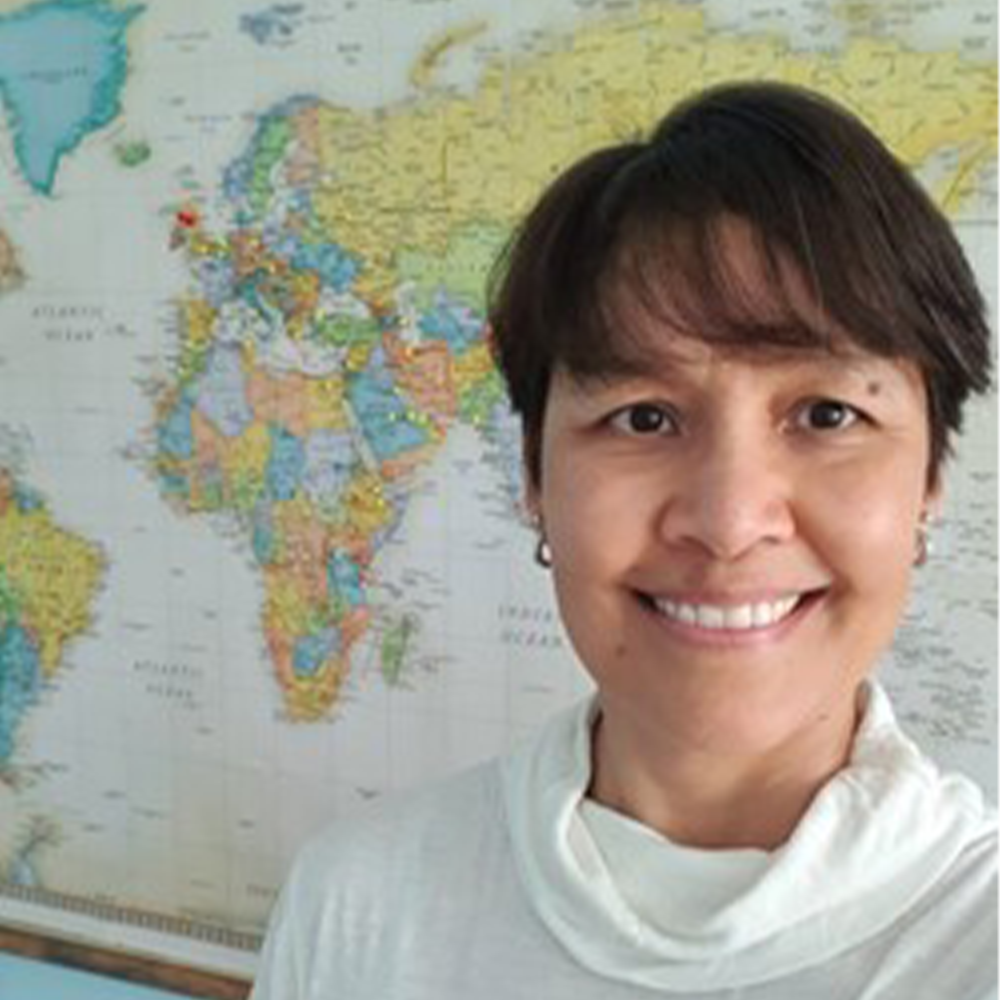
Ruth Mabry (Oman), Chair
Ruth Mabry is a public health expert with more than 25 years of experience in the Eastern Mediterranean Region with the public sector and international agencies, including the World Health Organization. Her commitment to making a difference in people’s lives is best demonstrated through her practical public health experience in strategic planning and health diplomacy, behavioral epidemiology and chronic disease prevention, health system development and health promotion. She hopes that by addressing health equity through improving global health governance she can contribute to making the world a better place for all people everywhere.
Vice Chair, Organization and Development (Open)
Treasurer (Open)
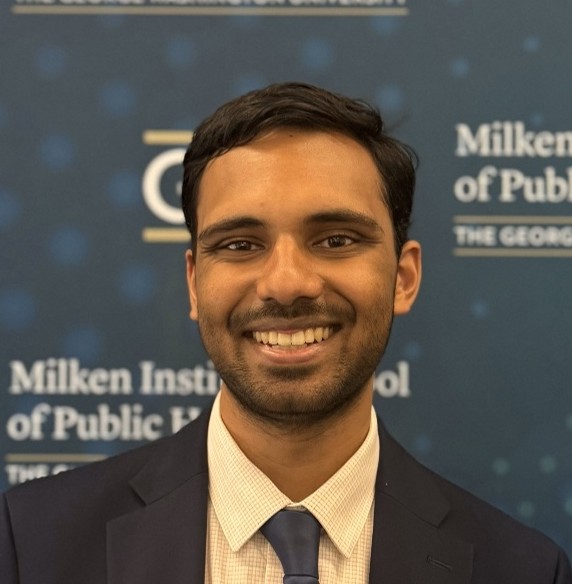
Mihir Kandarpa (USA), Secretary
Mihir Kandarpa is a public health advocate working at the intersection of global health security and universal health coverage, and the right to health. He is a biological policy analyst (federal contractor) at the U.S. Department of Homeland Security (DHS) with a background in global health security and public health. He has worked in various policy and legislative analysis roles at DHS, the U.S. Department of Health and Human Services (HHS), the U.S. Centers for Disease Control and Prevention (CDC), and the Pan-American Health Organization (PAHO). Mihir received a B.S. in Industrial Engineering from the Georgia Institute of Technology in Atlanta, and an MPH in Global Health Epidemiology and Disease Control from the George Washington University in Washington, D.C.
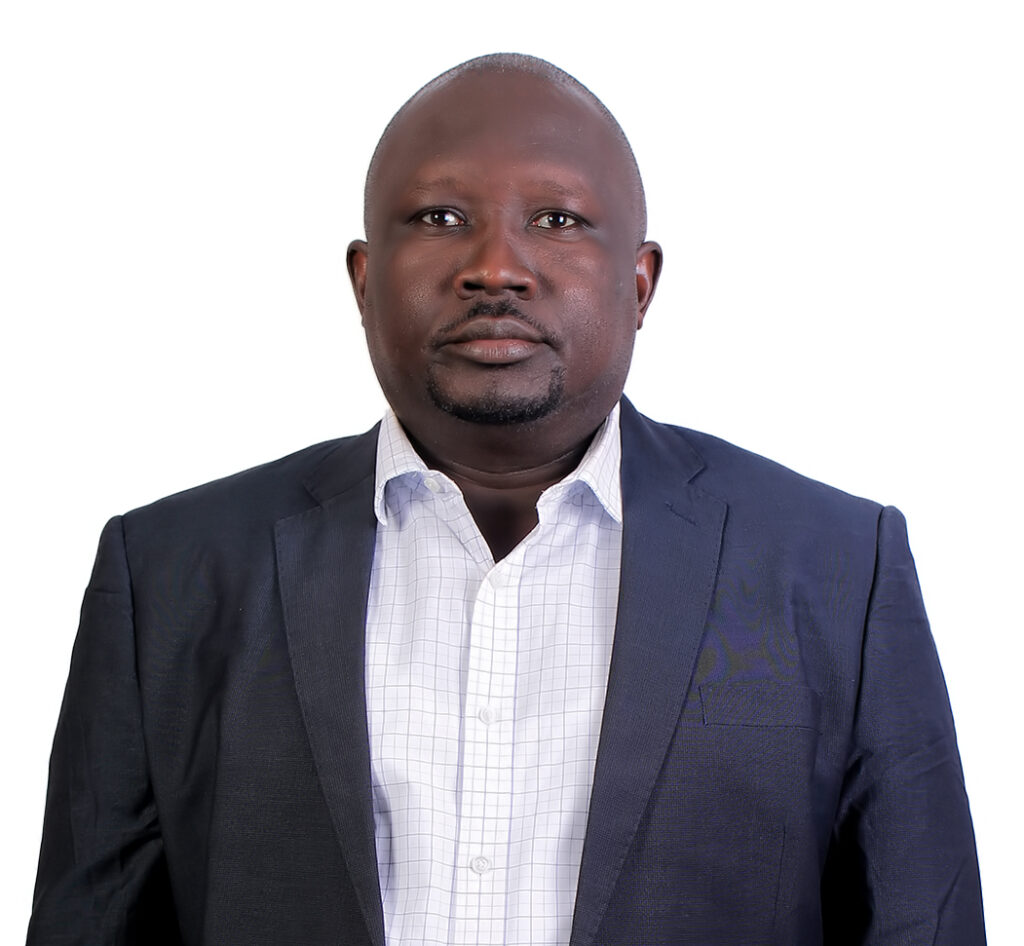
Richard Obedi (Uganda), Development Coordinator
Richard Obedi is a Governance & Development Specialist. He works as the Executive Director of The Populace Foundation International (TPFI); a policy research and advocacy Civil Society Organization (CSO) that envisions a society where humanity, social justice and human rights are all respected in the development processes. Mr. Obedi is a multidisciplinary governance, development and humanitarian activist with over 15 years’ experience in the field. He is engaged on issues of governance, gender, and human rights
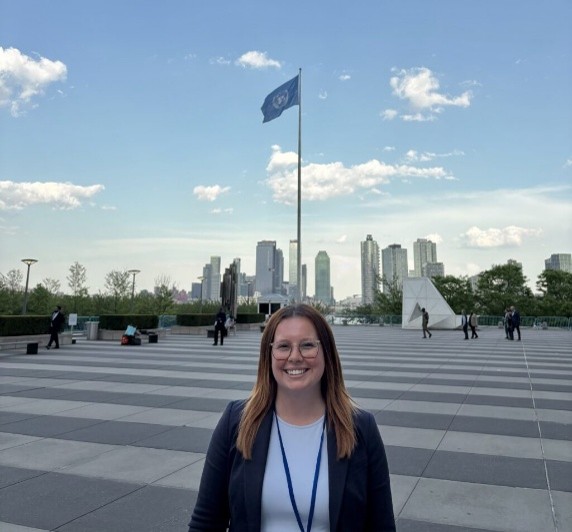
Kyla Young (Canada), Advocacy and Communications Coordinator
Kyla Young is a Canadian health lawyer. She has a master’s degree in Cellular and Molecular Medicine and a law degree with a Health Law and Policy specialization. Kyla chaired the Halifax branch of the Women’s Legal Education and Action Fund from 2022-2024 and was the recipient of the 2024 Rosalie Silberman Abella Award, given to a law student from each Canadian law school most likely to positively influence equity and social justice. Kyla joined the CHE Alliance through her articling term at the Centre for Health Science and Law, in hopes of becoming more involved in health equity on a global scale. She continues to broaden her understanding of global health and brings a unique scientific-feminist perspective to the table.
Membership Coordinator (Open)
Action for Humane Hospitals (Cameroon), Member
Action for Humane Hospitals (ACTHU) was set up in 2008 against a backdrop of increasing violations of people’s right of access to healthcare in hospitals. ACTHU went out into the media to denounce and make suggestions, then became active with hospital users who were victims of abuse. Since then, this Cameroonian association has been working to improve patient safety and reduce inequalities in access to healthcare services.
ACTHU provides public information and applies political pressure to obtain a growing commitment from the authorities to respect patients’ rights. At the same time, it informs patients about their rights and empowers individuals and communities as actors in their own health. Christian Locka, President, ACTHU, represents the organization on the FCGH Alliance Executive Committee
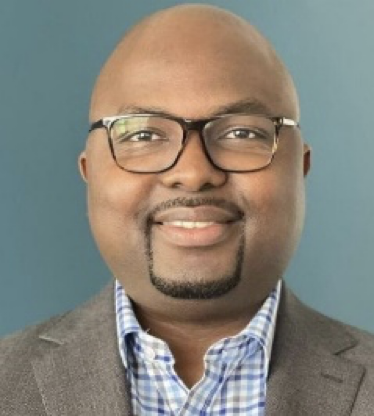
Oladapo Awosokanre (UK), Member
Oladapo Awosokanre is the Executive Director of the African Development and Advocacy Centre, AFRIDAC and Advocacy & Communications Officer for the FCGH Alliance Executive Committee. He has extensive experience as an advocate, campaigner, and community mobiliser in the charity sector. He has worked on several high-level projects across different continents managing teams. He exhibits practical skills in leadership, strategic thinking, advocacy, project management, and facilitation.
Oladapo has particularly good understanding of the complex ethno-religious and cultural nuances within the Black and African community. He has a degree in Political Science, master’s in international law and diplomacy, numerous specialist certificates in Community Development, Operational Excellence, Project Management, Coaching, among others. He has been part of a growing global campaign for a proposed Framework Convention on Global Health (FCGH) – a global treaty based in human rights and aimed at national and global health equity since 2015. The framework is focused on all people, wherever they live, to enable easy access to comprehensive universal health coverage in a health system that does not discriminate.

Center for Health, Human Rights and Development -CEHURD (Uganda), Member
The Center for Health, Human Rights and Development (CEHURD) is a non-profit, research and advocacy organization which is pioneering the justiciability of the right to health, founded in 2010. CEHURD has moved from the margins to the centre stage of advancing social justice and health rights in health systems in Uganda, East African Region, Pan-African and Globally. CEHURD contributes to deconstructing health and human rights and uses the law, policy engagements, evidence-based advocacy and mobilizing communities as the major entry points to inform interventions.
Ground-breaking strategic litigation cases have informed jurisprudence and defined greater rights while also being actively engaged in East Africa, Pan Africa and International human rights mechanisms, processes and movements. Seth Nimwesiga represents CEHURD on the FCGH Alliance Executive Committee.
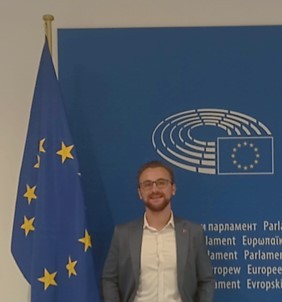
Miguel Correia (Portugal), Member
Miguel Correia is a researcher at the Department of Education Sciences of the Centre for Research and Intervention in Education (CIIE), University of Porto (Portugal). His research focuses on health citizenship and the right to health, particularly health equity, human migration and health education. He joined the Alliance to contribute to advancing a global, rights-based approach to health equity and to support the effective realisation of the right to health for everyone, everywhere, as a foundation of human rights.
Health Equity Network of the Americas (Costa Rica), Member
The Health Equity Network of the Americas (HENA) is a multidisciplinary regional platform established in 2017 where different areas of expertise and knowledge in research, teaching, and social action interact with diverse strategic and political visions at a multilevel scale (local, national, regional, and global). The HENA allows the joint and multisectoral construction of ideas with the potential to impact public policy from the Health Equity approach.
The network emphasizes the priorities required to support the countries of the Americas promoting a balanced integration of the dimensions of sustainable development (economic, social, and environmental) in the formulation and implementation of local, national, and international strategies and health policies. Initially, HENA was coordinated from the University of California at Los Angeles (UCLA), USA. In 2020, its Executive Direction and Technical Secretariat moved to the University of Costa Rica (UCR), Center for Research in Nursing and Health Care (CICES). Wendy Lopez Vargas, represents HENA on the FCGH Alliance Executive Committee
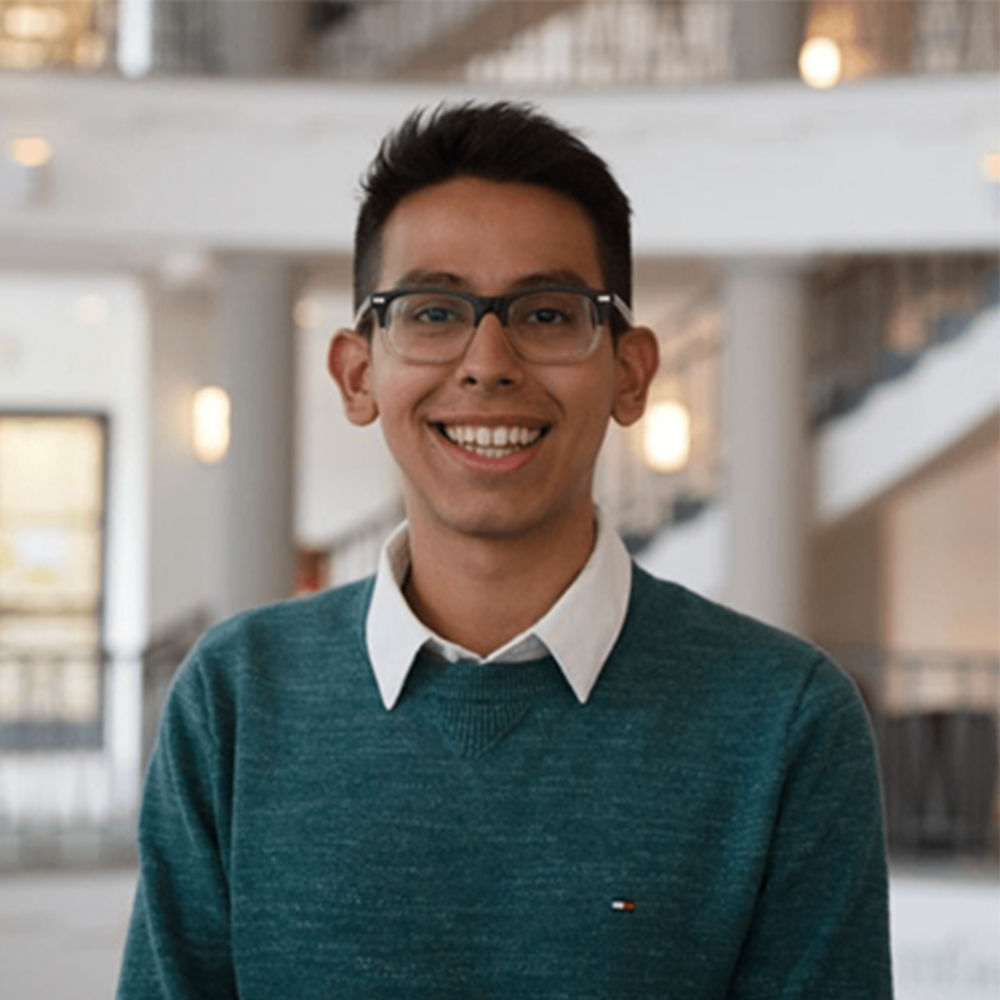
Gonzalo Hünicken (Argentina), Member
Gonzalo Hünicken is a lawyer and international relations specialist. He is an active member of Fundeps, an NGO that advocates for health and human rights in Argentina. He has worked at Argentina’s National Ministry of Health, developing public policy and regulatory frameworks for digital health. Gonzalo was an intern at the O’Neill Institute for National and Global Health Law at the Georgetown University Law Center. He has done research on International Public Law, Environmental Law, and Human Rights Law. He decided to join the FCGH Alliance because he believes that in order to make health for all a reality we have to strengthen the global health architecture, and a global treaty on the right to health is an excellent means to achieve that.
O’Neill Institute for National and Global Health Law (USA), Member
The O’Neill Institute for National and Global Health Law at the Georgetown University Law Center recognizes law as a fundamental tool for solving critical health problems in our local, national, and global communities, and seeks innovative legal approaches to advance the public’s health. The O’Neill Institute has been deeply involved in all iterations of the FCGH and efforts to secure it, from the Joint Action and Learning Initiative on National and Global Responsibilities for Health to the Platform for an FCGH through to being a founding member of the FCGH Alliance.
The O’Neill Institute’s ongoing commitment to the FCGH is due to its immense potential to employ international law’s most powerful tool to advance right to health implementation and enhance long-missing accountability for all aspects of the right.
The O’Neill Institute is particularly interested in the treaty’s potential to advance such core right to health principles of equality and non-discrimination, participation, and accountability, and believe deeply in the need for an inclusive, participatory, bottom-up process in developing the FCGH. Eric A. Friedman, the O’Neill Institute’s Global Health Justice Scholar, is the primary Institute representative to the FCGH Alliance Executive Committee, in coordination with Lawrence O. Gostin, the O’Neill Institute’s faculty director.
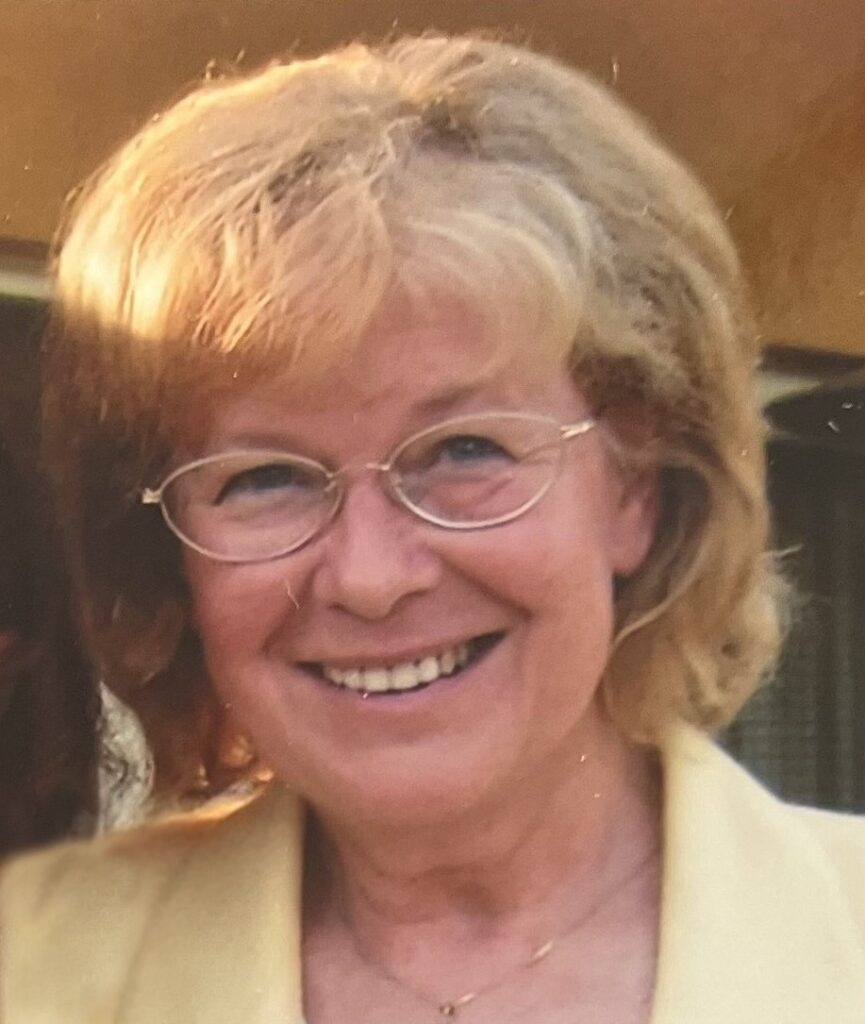
Gabriella Sozanski, Member
Gabriella Sozanski, an economist by profession has over 30 years of experience in international development through working in senior management positions in the international co-operative movement in a multisectoral environment. As a founding member of the Alliance for Health Promotion, a Geneva based NGO she is committed to achieving lasting behavioral changes through empowering people to live a healthier life and building bridges between global commitments and local realities. As a Swiss national and elected member of the municipality she participates also in local governance. Gabriella has been instrumental in registering the Framework Convention on Global Health Alliance in Geneva.